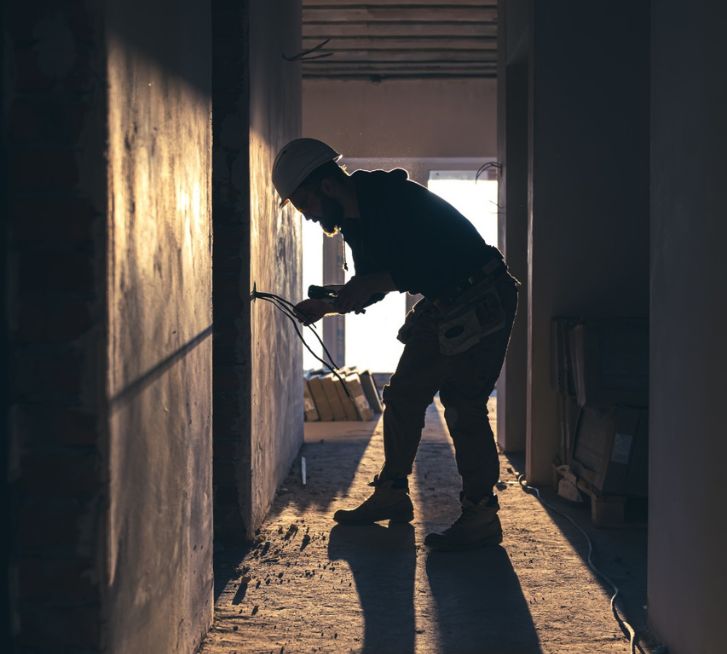
Remodeling a home is a bit like conducting an orchestra. Every element—budget, design, materials, timing—needs to come in at the right moment, in the right proportion, to create harmony. Done well, it transforms not just a space, but the way you live in it. Done poorly, it can feel like a never-ending construction symphony stuck on the wrong note.
Before you swing the first hammer, here are the most important things to consider.
1. Define Your Purpose Clearly
Start with the “why.” Are you remodeling to increase property value, improve functionality, or simply refresh the aesthetics?
A kitchen remodel for resale will look very different from one designed for a passionate home chef. The clearer your objective, the easier it becomes to make decisions without second-guessing every tile and fixture.
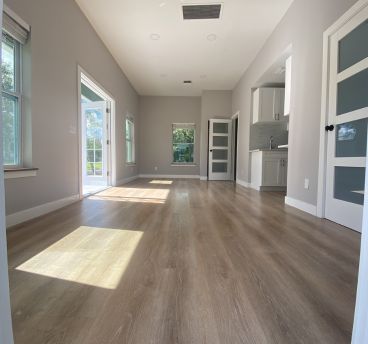
2. Set a Realistic Budget (and Add a Cushion)
Budgets have a sneaky habit of stretching. Materials fluctuate, surprises hide behind walls, and “just one upgrade” can multiply quickly.
A smart rule: allocate an extra 10–20% for unexpected costs. Think of it as a safety net, not a luxury.
3. Prioritize Function Over Trends
Trends are like passing clouds. Functionality is the foundation.
Open layouts, minimalist finishes, and bold colors may be popular now, but ask yourself:
- Does this fit my daily routine?
- Will it still make sense in five years?
Design your space for your life, not for Instagram.
4. Understand the Scope of the Project
Not all remodels are created equal. Cosmetic changes (paint, fixtures, finishes) are relatively straightforward. Structural changes (moving walls, plumbing, electrical systems) are a different beast entirely.
The more complex the project, the more planning, permits, and professional guidance you’ll need.
5. Choose the Right Professionals
A good contractor or designer isn’t just someone who builds—they translate your vision into reality without chaos.
Look for:
- Proven experience
- Clear communication
- Transparent pricing
- Solid references
The right team can turn a stressful process into a surprisingly smooth journey.
6. Plan for Disruption
Remodeling will interrupt your daily life. There’s no way around it.
If you’re renovating a kitchen, where will you cook? If it’s a full-home remodel, will you need temporary housing?
Planning for these disruptions in advance saves you from frustration later.
7. Think About Long-Term Value
Every decision you make has a ripple effect on your home’s future value.
Focus on upgrades that offer strong returns:
- Kitchens and bathrooms
- Energy efficiency improvements
- Storage solutions
- Durable, high-quality materials
It’s not just about how it looks today, but how it performs over time.
8. Don’t Overlook Permits and Regulations
Skipping permits might seem like a shortcut, but it can lead to serious issues—fines, delays, or complications when selling your home.
Always check local regulations and ensure everything is done legally and safely.
9. Lighting Changes Everything
Lighting is often underestimated, yet it can completely transform a space.
Combine:
- Natural light
- Ambient lighting
- Task lighting
- Accent lighting
A well-lit room doesn’t just look better—it feels better.
10. Stay Flexible
Even with the best planning, surprises will happen. A hidden pipe, a delayed material, a design tweak that suddenly makes more sense.
Flexibility isn’t just helpful—it’s essential. The goal is progress, not perfection.
Final Thoughts
Remodeling a home is more than a construction project—it’s an opportunity to reshape your environment to better match your life. With thoughtful planning, the right team, and a clear vision, you can turn the process into something deeply rewarding.
In the end, you’re not just changing walls and floors—you’re redesigning the stage where your daily life unfolds.